
From the Farm to your Cup
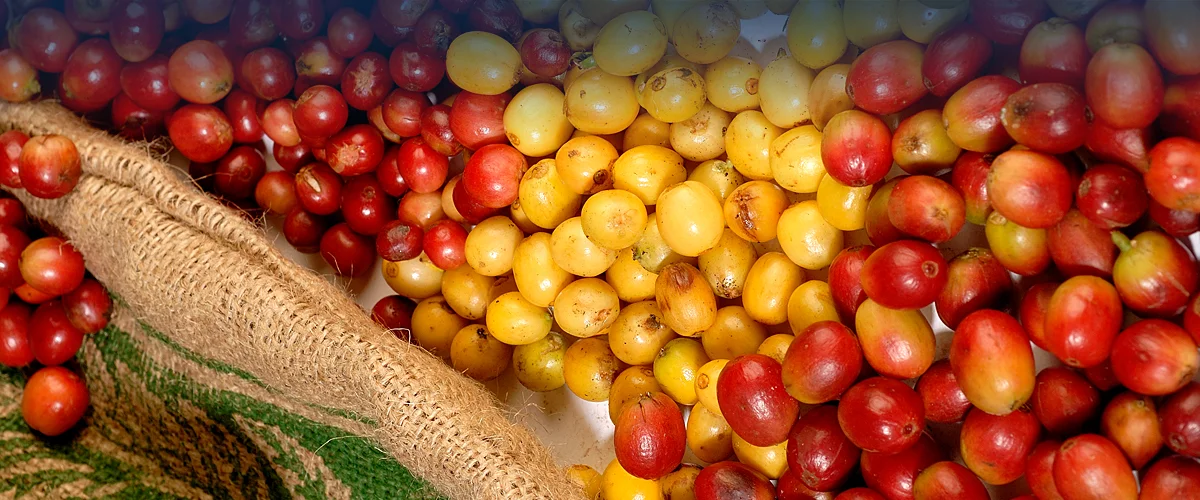
Just because coffee grows on trees doesn't mean that gourmet coffee is easy to make. Freshly picked Kā‘anapali coffee cherries are processed in many stages, using modern technology and decades of experience to turn the colorful berries into ready-to-roast beans.
There are two main genuses of coffee plants: Coffea robusta and Coffea arabica. Most of the world's coffee, and all specialty coffees, are arabica. All of the varieties grown in Kā‘anapali are arabica. Once planted, coffee trees will flower in their third year, assuming a good growing environment. Six months after flowers are pollinated, the trees will produce fruit. Coffee plants remain in production for many years - some are over 100 years old.
Harvesting & Processing
Harvesting is a laborious process, usually done by hand because of the nature of the plant. Coffee cherries do not mature at the same time and should be picked when they are red and mature. Immature beans will not ripen after they are picked. However, an over mature cherry is called a natural or raisin. While at Kona the cherries are usually picked by hand, at Kā‘anapali conditions make it more cost effective to us mechanized equipment for harvesting the cherries. The harvesters use dangling grabbers to shake the trees at the perfect tension, aiming to release only the mature berries.
After the cherries have been picked they must be processed in order to remove the seeds (the coffee beans). This involves removing multiple layers covering the beans.
There are two kinds of processes that are used to remove the seeds, 'natural' and 'wet'.
Natural processors let the fruit dry before they remove the beans, which allows the beans to absorb the flavor of some of the surrounding fruit, making the coffee sweeter. Besides the natural process of drying coffee, natural can also mean the coffee came into the mill with the dried pulp on it, but still underwent the wet process. The true wet process means the coffee comes in ripe and is pulped in the sun or machine dried. Another term for this is "washed coffee". In other words, wet processors go for a cleaner taste and immediately remove as much fruit as possible by hand or machine and then allow the beans to ferment.
During fermentation, the seeds and what is left of the fruit are given a water bath which softens the mucilage for removal. After the mucilage is removed the seeds are still encased in parchment and must be carefully dried by a turning process. Sometimes a mechanical dryer is used to dry the beans completely to 11 percent humidity, but this is often done under the sun. At this point the dry milled, or green coffee can be stored for market.
The parchment keeps the coffee fresh for storage, but eventually must be removed. At this point the beans are sorted by size, weight and color. Beans with defects are removed. Today this is usually done by machine. Green coffee must still be roasted, ground and brewed before it reaches the cup.

Roasting
After green coffee is transported and sold it must be roasted. The coffee is roasted for 11-15 minutes at up to 450°F. During the roasting process the volatile flavor oils develop to a critical point where the variety in their character is released.
Roast Colors
- Yellow
- Cinnamon
- City
- Chestnut brown
- Dark
It takes a skilled expert to determine when to stop the roasting process. Once roasting is finished, beans are immediately moved to a rotating tray for cooling and darken one more shade in the next four minutes. Roasted coffee is measured by color and flavor. At this point coffee begins losing its flavor and should be protected from oxygen and moisture. Properly stored, coffee should last about two weeks at peak freshness.
Grinding
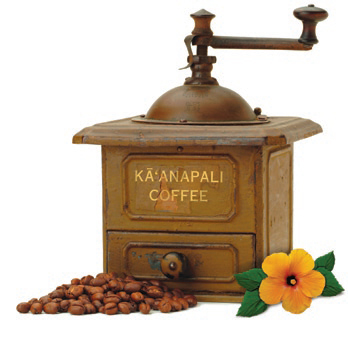
The next step is grinding, but at the same time consideration must be given to which filtering and brewing methods will be chosen. Ground coffee is graded by the size of the pulverized bean. The grind determines the rate water passes through the coffee. Too coarse means watery coffee, too fine causes bitterness. It is best to use a blade grinder or burr-type grinder.
Grind can be classified as:
- Coarse
- Medium
- Fine
- Pulverized
Brewing
Once ground and ready to brew, coffee is next put into a filter. Filters are chosen for the degree of sediment they allow through their pores. Sediment properly used produces a nice body. There are many kinds of filters, but all fall into one of two groups; paper and metal.
The final quality of the cup is determined by the water quality and temperature in brewing. Boiling or long infusion can increase bitterness and impair flavor. "Delicate coffees are best made by infusion, either by steeping and then straining the coffee, or by the drip method." (Coffee, Norman) For these methods, experts recommend using water just off the boil (195°-205°F) to extract the right amount of flavor from ground coffee. Cooler water is believed to be inadequate at extracting the coffee's complete range of flavors.
A standard recommendation for brewing is the ratio of two tablespoons coffee per six ounces of water. Strength can be adjusted by increasing the water ratio after brewing.
Different types of brewers include:
- The Press - Thick, full bodied, elegant, coffee cannot be reheated
- The Drip Filter - Clean, paper filter, free of sediment, lighter body, warm for 20 minutes
- The Cold-Water Brewer - Eliminates natural acidity, steeps 24 hours, smooth, low acid
- The Vacuum Pot - Full flavored, hot, clear, sediment free. "Tastes just like it smells"
Espresso
Espresso uses the same beans but they are a darker, or full, roast. The coffee is ground to a fine powder to allow water to pass through at a slow and consistent rate, while an espresso machine uses intense heat to quickly release astringent properties.
It takes skill to properly operate an espresso machine. Dosage must be correct and the coffee must be tamped down properly to allow for water to flow through at the proper rate. The stream of water should be the width of a pencil lead.
A quality espresso maker, whether its a small countertop model or a large expensive machine, uses high pressure to force hot water through coffee. This is accomplished with an electric pump or a piston.
The final goal is to obtain one to one and one half ounces of liquid in about 20 seconds for a single shot. The pump should be turned off after this goal is achieved. The heat can then be used to steam milk.
Flavoring Coffee
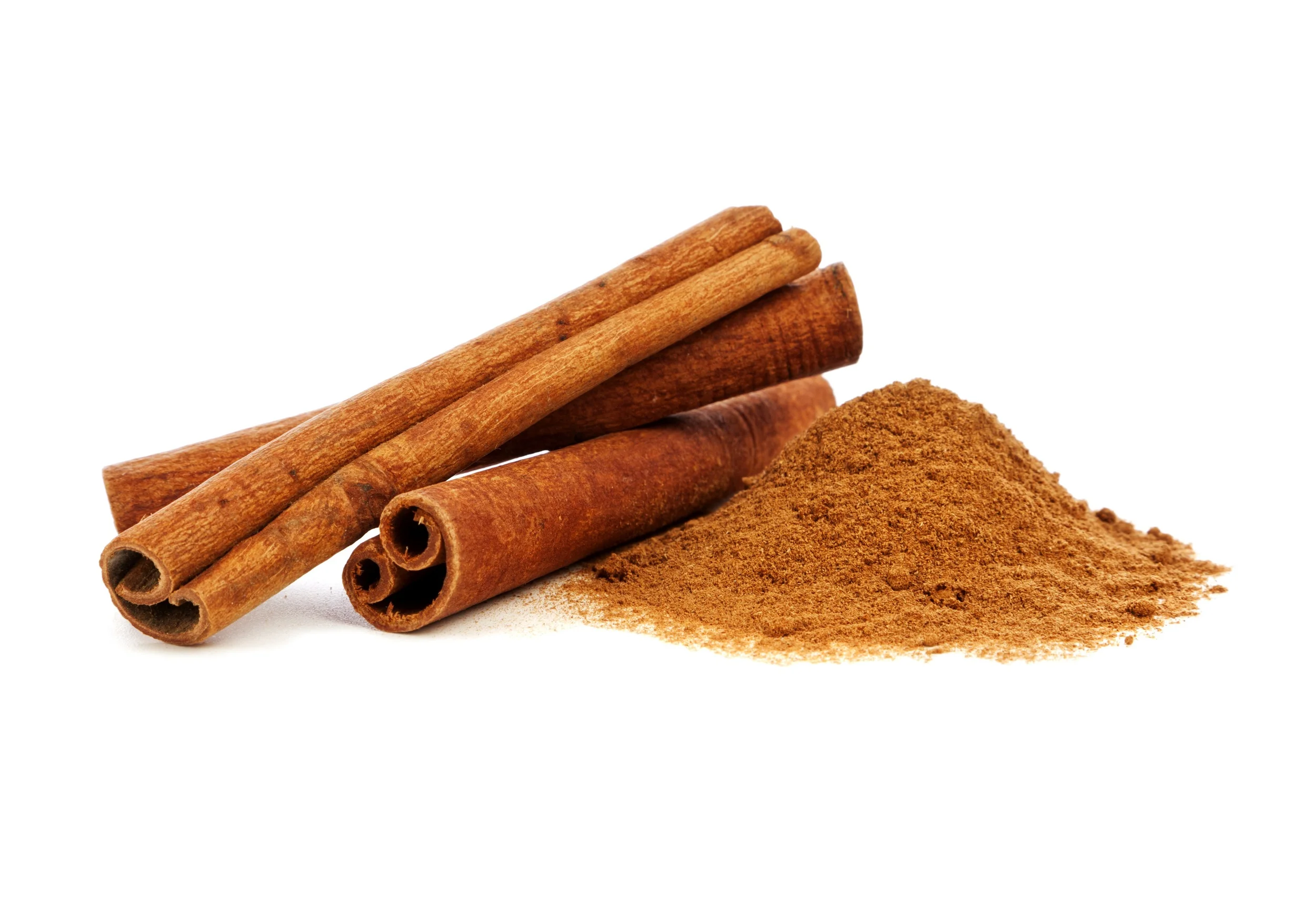
During coffee's early history, it was usually served black and unsweetened. Yet over time, many coffee drinkers have experimented adding flavor to their brew. While adding cream / milk and sugar are common, coffee drinkers have also been known to add cinnamon, cloves, spearmint, molasses, sour cream, and even mustard.
Until a drinker has developed a preference they can employ the standard ratio of one ounce, or 25 grams, spice to one pound, or 500 grams, coffee.
Regional examples of common flavors are:
Middle East: Ambergris, Cardamom, Nutmeg, Cinnamon and Cloves.
Ethiopia and Eritrea: Ginger
Mexico: Cinnamon and Cloves
Hawai‘i: Macadamia Nut